
Mould in Washing Machines: Why It Happens and How to Prevent It
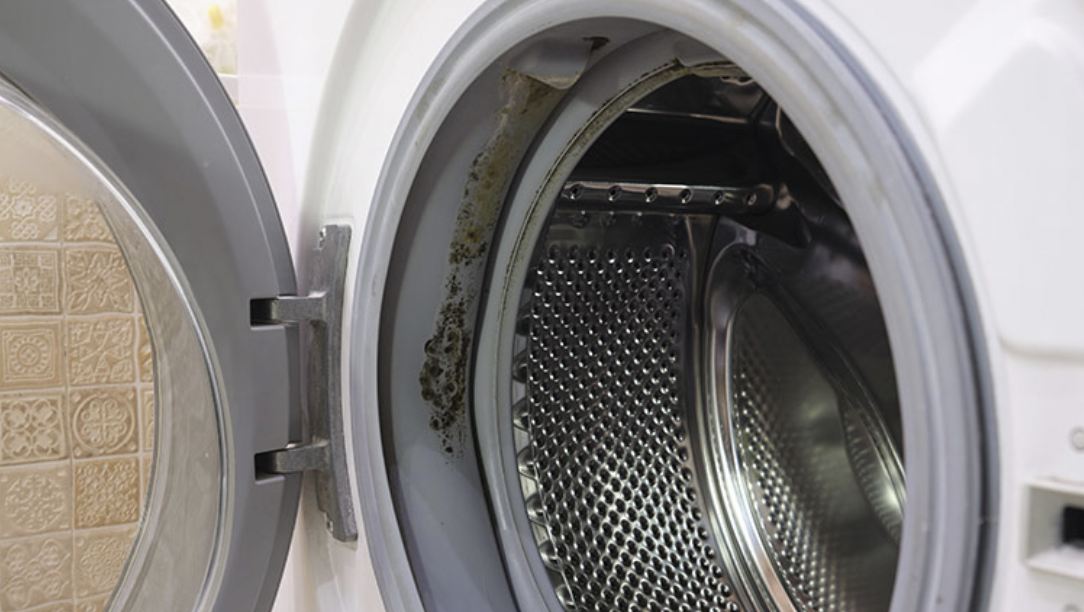
Mould in washing machines is FAR MORE common than most people realise.
I know, because as a mould inspector here in Sydney, I’m checking them in people’s homes week after week. And most of the time, people are not doing anything terribly wrong. They just have not been told that the machine needs a chance to dry between uses.
A washing machine is designed to get wet, but it is not designed to stay damp all the time.
That is usually where the problem starts.
Why does mould grow in washing machines?
Mould grows in washing machines for the same reason it grows anywhere else in a home: moisture.
Mould needs moisture to grow. That moisture might come from a leak, condensation, high humidity, rising damp or water that has simply not been able to dry properly.
Inside a washing machine, moisture can sit around the detergent tray, rubber door seal, drum, filter and internal components after each wash. If the door and detergent tray are closed straight away, that moisture becomes trapped inside the appliance.
Over time, this can create the right conditions for mould, biofilm and musty odours to develop.
This is why mould prevention is not just about using stronger cleaning products (it never is!). It is about helping the machine dry properly between uses.
The hidden spots most people miss
One of the most common areas for mould growth in a front loader is the rubber seal around the door.
That seal is there for a reason. It helps stop the machine leaking. But the folds of the rubber can also trap water, lint, hair, detergent residue and grime.
The detergent tray is another very common hidden mould spot.
People often do not realise there is mould in this section until they remove the tray (yes it can be removed by pressing the tab down!) and look inside with a torch. Water and detergent residue can sit behind the tray, and because that area is often closed up after each wash, it may stay damp for long periods.
If you have a musty washing machine, these are the first two places I would check.
Front loader washing machines
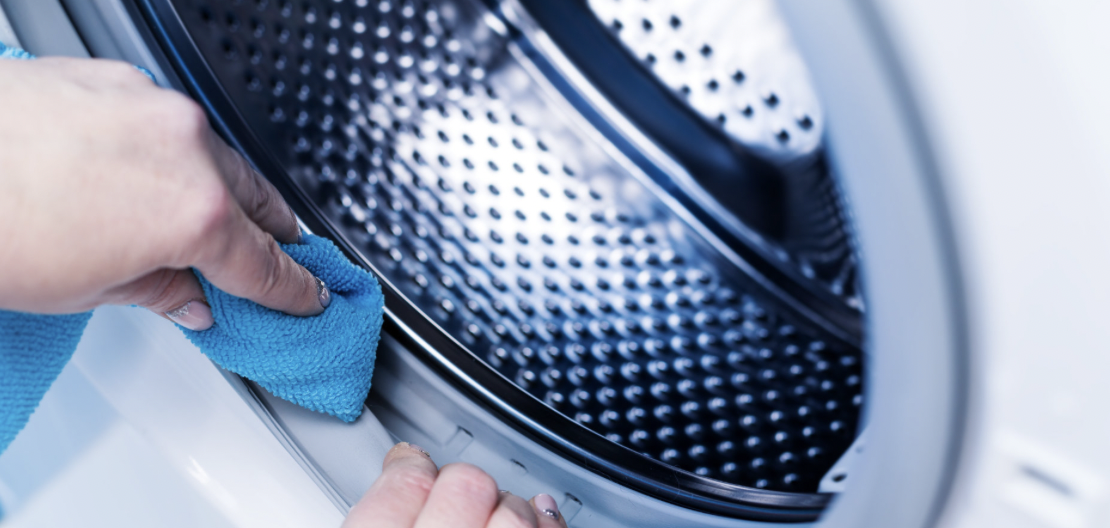
Front loaders tend to be more prone to mould because of the rubber door seal and the way moisture can sit inside the machine after use.
The simplest prevention step is to leave the door open after each wash.
This allows the drum and rubber seal to dry. It also helps to leave the detergent tray open or remove it completely after use so that section can dry properly too.
You can also place a clean, dry cloth (like a microfibre cloth or tea towel) in the rubber seal after a wash to absorb excess water sitting in the rim. This is often quicker and easier than trying to perfectly wipe the seal dry every time.
Just make sure the cloth is removed and washed regularly. You do not want it becoming another damp item sitting inside the machine.
The goal is simple: reduce trapped moisture.
If the machine can dry, mould is much less likely to grow.
Top loader washing machines
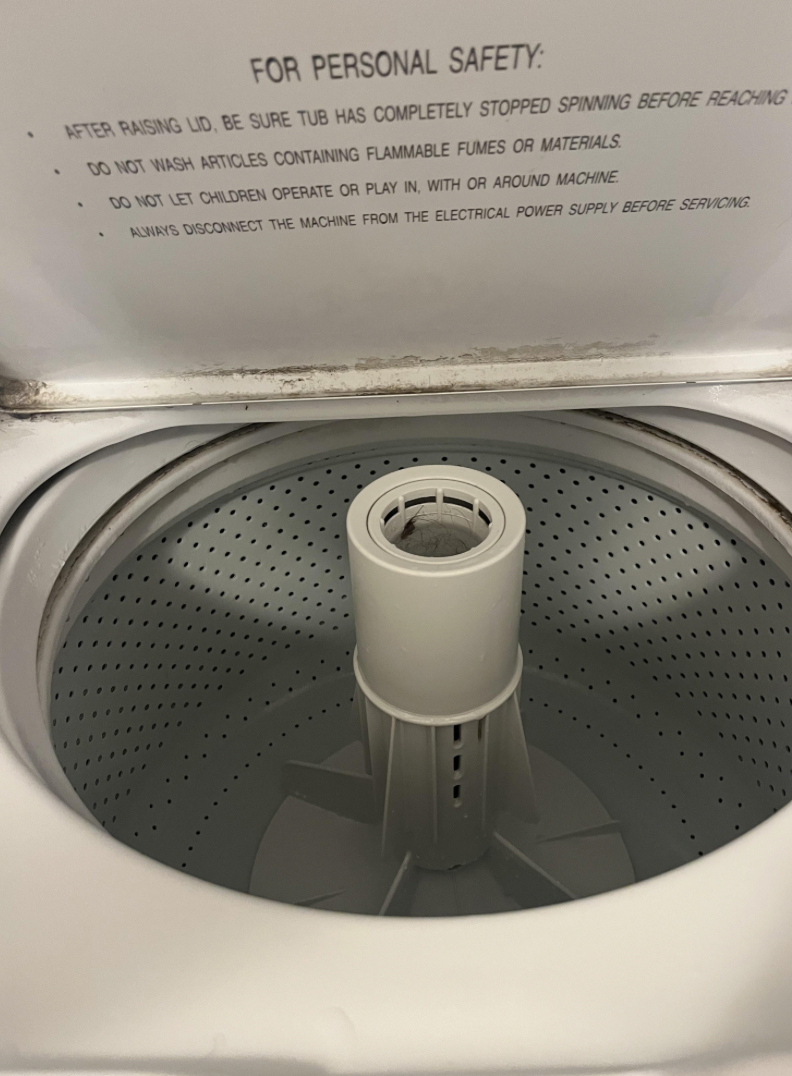
Top loaders can also develop mould and musty smells, although the problem is usually a little different.
For a top loader, the same principle applies: leave the lid open between washes so the drum can dry properly.
If the lid is closed immediately after use, moisture can stay trapped inside the machine, especially in humid climates.
Sydney humidity makes this worse
In Sydney, our humidity makes this issue more common.
Things do not always dry quickly here, especially in winter, during wet weather, or in homes that already have poor ventilation or high indoor humidity.
So a washing machine that might dry out easily in a drier climate can stay damp for longer in Sydney.
This is why small habits make a big difference.
Leaving the door open, opening the detergent tray, drying the seal and running regular cleaning cycles are simple steps, but they matter.
If condensation and damp are a problem in your home more broadly, not just in the laundry, I've written about how to prevent condensation and mould in your home this winter too.
Run a drum clean cycle regularly
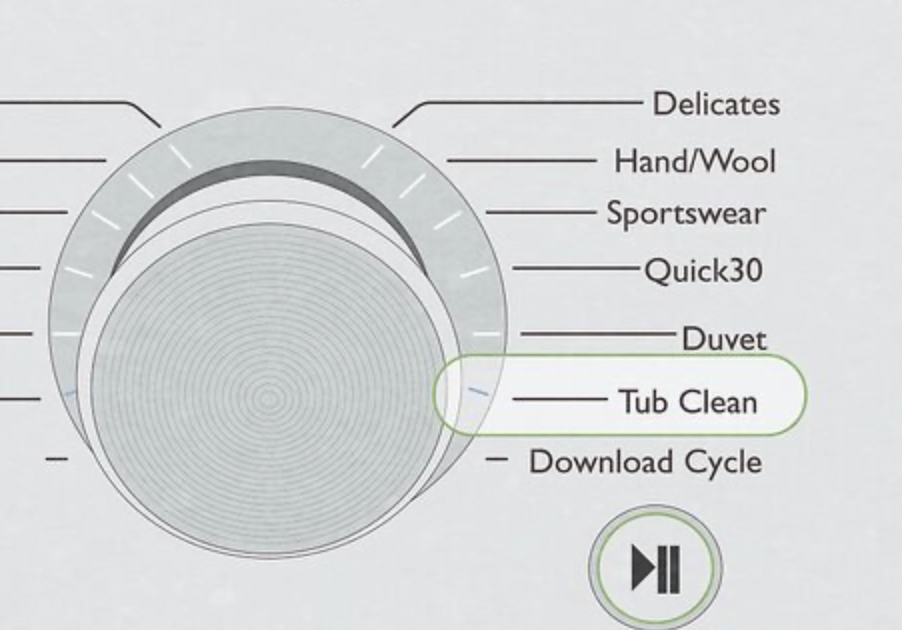
Most newer washing machines have a “drum clean”, “tub clean” or “clean washer” setting.
Running this empty cycle around once a month can help reduce detergent residue, body oils, lint and biofilm inside the machine.
Always follow the manufacturer’s instructions for your specific appliance. Some machines recommend a particular washing machine cleaner, while others may allow a hot empty cycle.
A monthly drum clean will not fix a serious mould problem on its own, but it is a helpful maintenance habit.
Clean the filter
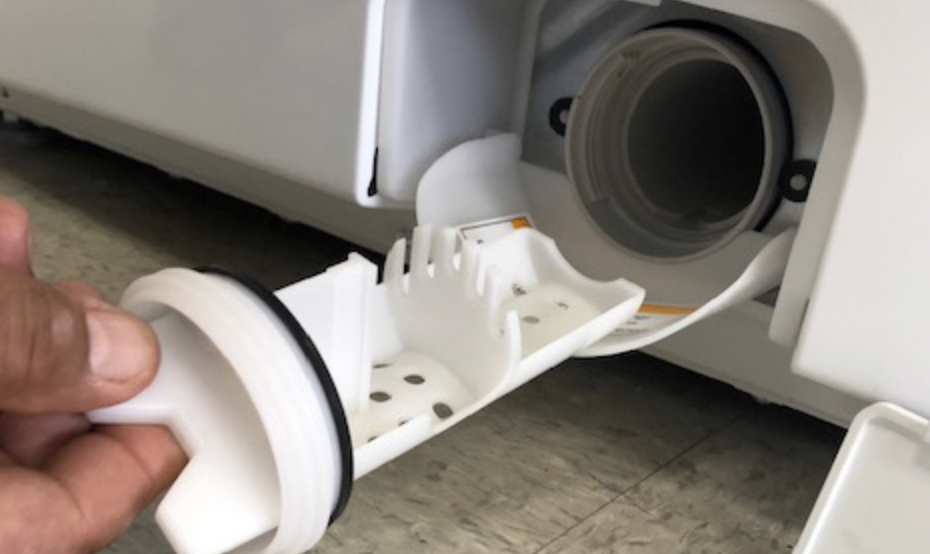
Many washing machines also have a filter at the bottom of the appliance.
This filter can collect lint, hair, debris, coins and stagnant water. If it is not cleaned periodically, it can contribute to odours and poor drainage.
This part can be a little more finicky, so check the manual for your specific machine before opening it. For some households, cleaning the filter may be recommended as often as every one to three months, depending on the machine and how often it is used.
Before you clean it, place towels down first. Water often comes out when the filter is opened.
Be careful with excess detergent and fabric softener:
More detergent does not always mean cleaner clothes.
Using too much detergent or fabric softener can leave residue inside the machine. That residue can contribute to odours, biofilm and microbial growth over time.
Use the amount recommended for your machine/load size/water hardness.
This is one of those small(ish) habits that can make a genuine difference.
Can mould transfer onto clothes?
At a certain point, yes, contamination inside the washing machine can start transferring onto clothing, towels and linen.
For many people, this may just show up as musty-smelling washing.
But for people who are sensitive to mould, or those with asthma, allergies, CIRS, MCAS or other sensitivities, this can be more bothersome. I personally notice if my clothes have been washed in a mouldy washing machine (like in an AirBNB say).
This does not mean everyone needs to panic and replace their machine. But it does mean a mouldy washing machine should not be ignored, especially if clothes are coming out smelling damp, musty or “not quite clean”.
What to do if your washing machine already smells musty
Start with the simple checks first.
Remove the detergent tray and clean it properly. Then look behind the tray with a torch.
Check the rubber seal, especially inside the folds. Remove lint, hair and debris. Wipe the area well and dry it afterwards.
Run the manufacturer’s recommended drum clean cycle.
Check and clean the filter if your machine has one.
Then, most importantly, change the drying habits after every wash. Leave the door open. Leave the tray open. Let the machine breathe and dry.
If the machine still smells musty after this, or clothing continues to come out smelling damp or mouldy, it may need a deeper clean or further investigation. Unfortunately, it can be very difficult to clean these to the level required for those with mould sensitivity if the problem is bad enough.
What to do if the rubber seal is already mouldy?
This is one of the most commonly asked questions online: how do you get mould out of the washing machine seal?
The honest answer is that it depends how far the mould has gone.
If the mould is sitting on the surface of the rubber seal, cleaning should improve it. But if the mould has grown deeply into the rubber itself, it can be very difficult to fully remove.
Some people swear by mould-removal gels, including products like GLASSGUARD. But technically, if mould has penetrated into the rubber, the only way to be confident it is truly gone is to replace the seal.
A washing machine specialist can usually replace the rubber door seal for you for around $200-300ish (or someone handy can do it themselves too).
Simple habits to prevent mould in your washing machine
The best prevention steps are:
Leave the washing machine door open after use.
Leave the detergent tray open or remove it so it can dry.
Wipe or absorb water from the rubber seal.
Run a drum clean cycle around once a month.
Clean the filter as recommended by the manufacturer.
Avoid using too much detergent or fabric softener.
Check hidden areas with a torch, especially the detergent tray and rubber seal.
Mould in washing machines is more common than most people realise - but is actually preventable!
Want the exact gear I use as a mould inspector - dehumidifiers, hygrometers, cleaning and laundry kit? It's all at mouldwise.com.au/gear.