
How to Prevent Condensation and Mould in Your Home This Winter
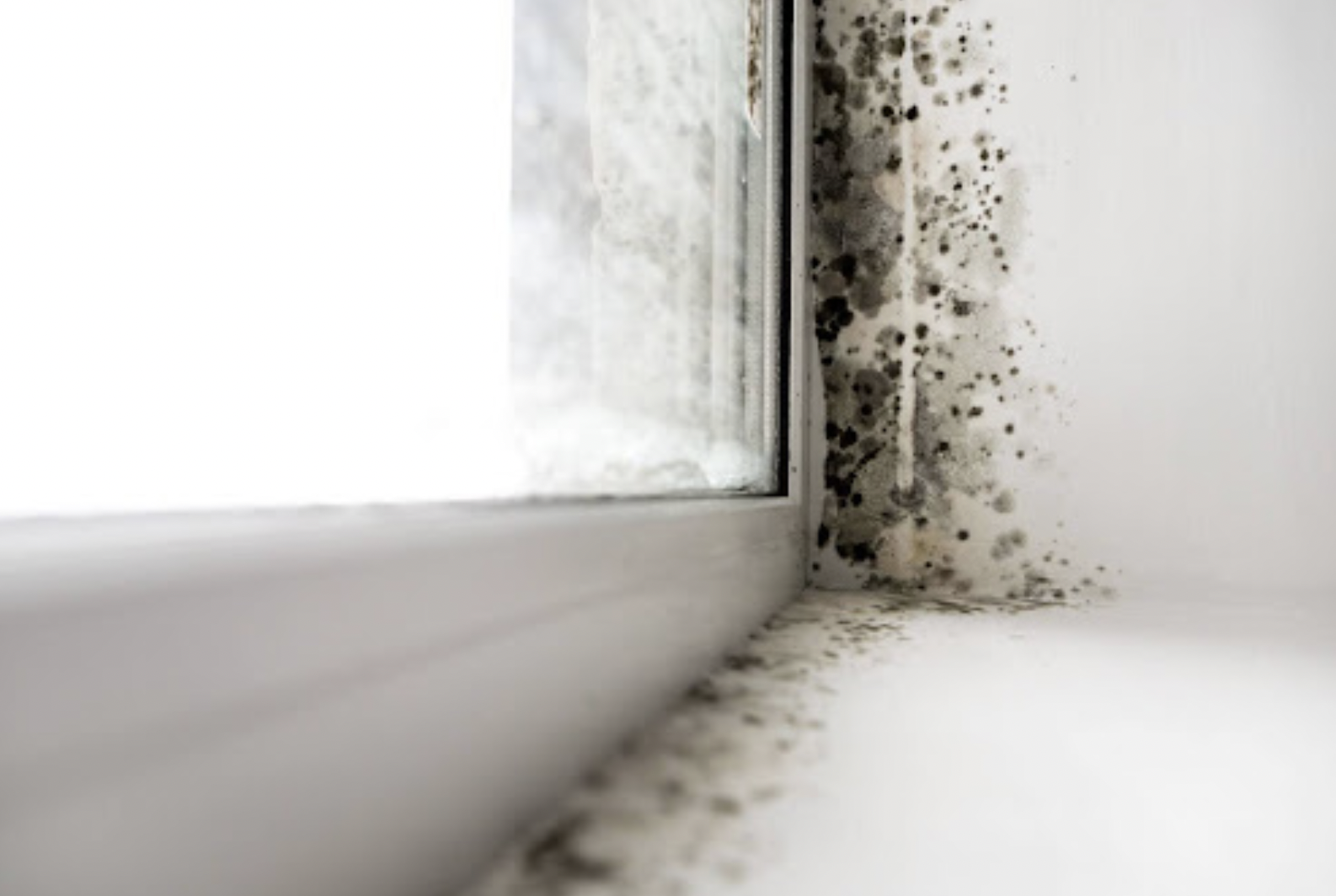
What Actually Causes Condensation?
One of the biggest misconceptions I see as a mould inspector is that mould just magically appears in winter. (And that we need to accept it).
Mould needs moisture to grow, and one of the most common moisture sources during winter is condensation. It happens when warm, moist air hits a cold surface. If that surface is cold enough, the moisture in the air turns into liquid water.
You’ve seen this before -
Water droplets on windows in the morning.
Dew on the grass.
Water forming on the outside of a cold can of Coke.
The same thing can happen inside your home.
In winter, surfaces like windows, external walls, ceiling corners, tiles, wardrobes and areas behind furniture are usually colder than they are in warmer months.
So when warm indoor air hits those colder surfaces, condensation can form (even when you can’t see it).
If that moisture sits there for more than 24-48 hours, and there is dust (or another food source for mould present), mould can start to grow.
This is why you might notice mould around window frames, on blinds, in room corners, behind beds, or inside wardrobes during winter.
It’s not really a “winter problem”.
It’s a moisture problem.
(Like every other mould problem.)
The goal is to work out where the moisture is coming from and stop it - that way you won’t spend the next few months constantly cleaning mould. The good news is that once you understand a few key principles, it’s actually easy to stop the growth.
What Is Dew Point?
You don’t need to get too caught up in the science, but it helps to understand one term: dew point.
Dew point is the temperature where air can no longer hold all of its moisture.
Once that point/temperature is reached, water starts forming on nearby cold surfaces.

Think of a cold window in winter again.
The room has warm, moist air.
The glass is cold.
When the warm air reaches the cold glass, it cools down.
Eventually, the moisture/water vapour has nowhere else to go.
So it turns into water on the glass.
That’s condensation.

Now, if there’s enough dust sitting on that cold, wet window - mould will start to grow in the dust. (It doesn’t actually grow on the non-porous window surface itself, which is why it can be cleaned off easily).
Surface Condensation
Condensation is often one of the first signs that your home is holding more moisture than it should.
It might be common, but that doesn’t mean it’s ideal or something to ignore.
Surface condensation is the type most people notice first.
This is when water forms directly on cold surfaces.
In addition to windows and window frames, common places include uninsulated walls, ceiling corners, tiles, wardrobes and areas behind furniture.
You might notice water droplets on the windows, damp patches on walls, mould around window frames, black spotting in corners, musty wardrobes, or mould behind beds and furniture.
This becomes more common in winter because the indoor air is generally warmer and more moist, and the building surfaces are generally colder - allowing condensation to form more easily.
To solve it: use a dehumidifier (such as NWT or AusClimate) to pull the moisture out of the air.
High Humidity Condensation
Sometimes the issue isn’t just the cold surface.
Sometimes there is simply too much moisture in the air.
In winter, people are less likely to open windows because it’s cold outside. So moisture from everyday living builds up inside the home more than it does at other times of the year.
Common moisture sources include showering, cooking, drying clothes indoors, using a conventional dryer indoors, humidifiers, poor bathroom extraction, poor kitchen extraction and unflued gas heaters.
And if that moisture isn’t removed, it eventually ends up somewhere (even when you can’t see it).
Usually on your windows, walls, ceilings, blinds, wardrobes, furniture, or behind things where airflow is poor.
To solve it: the solution is the same, use a dehumidifier!
Low Temperature Condensation
Condensation can also happen when parts of the home get much colder than the surrounding air.
This is common in unheated bedrooms, walk-in robes, room corners, behind furniture, rooms with poor airflow, south-facing rooms, older homes with poor insulation, or areas where insulation is missing or patchy.
This is why mould can show up behind a bed, inside a wardrobe, or in the corner of a room even when there isn’t an obvious roof leak or plumbing leak nearby - it’s just too cold, and has allowed condensation to form because the surface has reached dew point temperature.
If that moisture sits there long enough, mould can grow.
To solve it: the solution is the same again, use a dehumidifier! (I’m sensing you’re starting to see a pattern here).
Why Heating Alone Doesn’t Always Fix It
A lot of people assume that if they turn the heater on, the condensation problem will go away.
Sometimes heating helps (as warmer air holds more moisture).
But sometimes it doesn’t.
That’s why the goal isn’t just to make the home warmer, but to actually reduce the amount of moisture in the air.
When I Recommend a Dehumidifier
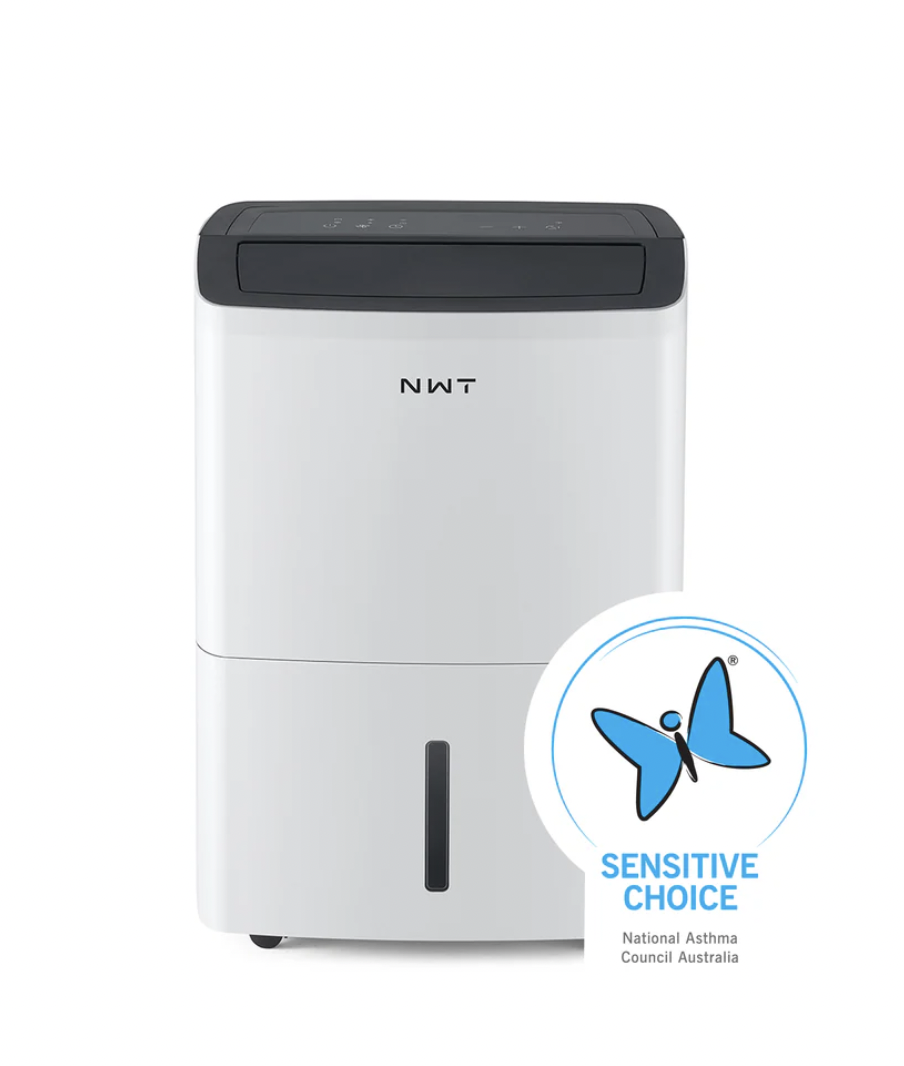
NWT 20L Dehumidifier.
A dehumidifier is one of the most common things I recommend in winter (or any time that humidity levels are over 60% which is when mould can start to grow - sometimes this happens in summer too).
When used properly, a dehumidifier can help prevent condensation by removing excess moisture from the air before it ends up on your windows, walls, ceilings, wardrobes or contents.
They can also be really useful for drying out bathrooms after showering (your shower also won’t grow mould if it’s dried after each use), drying clothes indoors much faster, drying an area after a spill or minor leak, and generally making the home less favourable for mould growth. Mould spores are always present to some degree (they float in naturally from outside), but they need the right conditions to start growing. If you reduce the available moisture, you make it much harder for those spores to germinate and grow on surfaces.
You can check indoor humidity with a cheap hygrometer (just search “hygrometer” on Amazon)
They’re usually inexpensive (around $14) and give you a much clearer picture of what’s actually happening inside the home.
One thing that surprises people is how much water a dehumidifier can pull from the air.
It’s not unusual to collect several litres of water in a day.
If you remove the moisture mould needs, you make it much harder for mould to grow.
(The exception is when there is another actual moisture issue, like a plumbing leak).
In that case, the source still needs to be found and fixed.
The Bottom Line
Mould doesn’t grow just because it’s winter. Winter just makes condensation more likely because indoor surfaces are colder, ventilation is often reduced, and moisture builds up inside the home more easily.
The good news is that condensation is often one of the easier mould issues to fix.
A hygrometer and a dehumidifier can make a huge difference in many homes.
Top Tips:
Keep indoor humidity under control (below 60%RH).
Use extraction fans properly when showering etc.
Ventilate/open windows when outdoor conditions are suitable.
Avoid drying clothes indoors where possible.
Keep furniture slightly away from external walls.
And don’t ignore repeated condensation.
My recommended dehumidifiers by room size - plus the $15 hygrometer every home needs - are on my gear page.